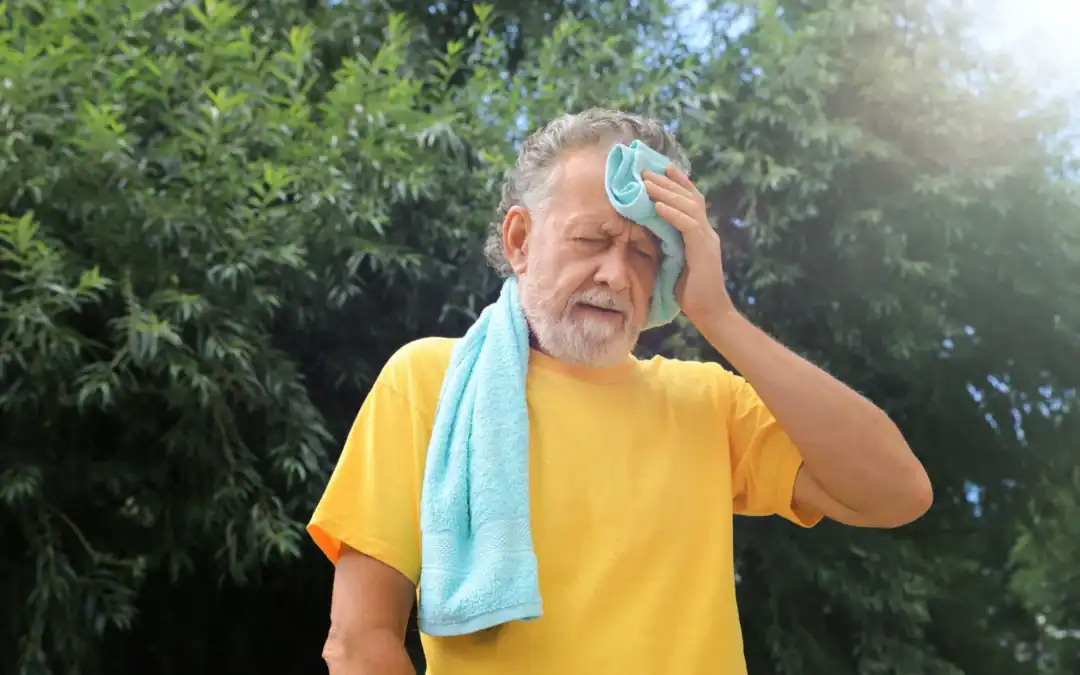
California summers mean long sunny days spent enjoying hikes, sports, beach trips, and other outdoor adventures. But with temperatures often well over 90°F, the risk of dehydration, heat exhaustion, and even heat stroke becomes higher.
While it is easy to dismiss feeling tired or dizzy after a day in the heat as just fatigue, these symptoms can signal something more serious. Heat-related illnesses need attention, and in some cases, medical care, to prevent complications.
Why California Summers Bring Health Risks
During the summer, your body works overtime to stay cool. Sweating helps maintain a safe temperature, but it also causes fluid and electrolyte loss. Without regular hydration, dehydration, and even heat illness, can set in quickly.
California’s climate combines intense sunlight and outdoor activity, which amplifies these risks. Whether you are hiking scenic trails, coaching youth sports, working outdoors, or handling summer travel plans, hotter weather puts greater stress on your body. Common heat-related scenarios include:
- Outdoor Activities and Sports: Hiking, biking, running, and playing sports all intensify sweating and fluid loss.
- Working Outside: Construction workers, landscapers, and other outdoor workers face high exposure during peak heat hours.
- Forgetting to Hydrate: Busy schedules, travel days, and unfamiliar activities often lead to lower fluid intake.
- Dehydration-Exacerbating Illness: Vomiting, diarrhea, or fevers during summer compound dehydration risks.
Even mild dehydration can leave you feeling weak, dizzy, or fatigued; and ignoring these symptoms only worsens the problem.
Recognizing Signs of Dehydration and Heat Illness
Early detection of dehydration or heat exhaustion can stop symptoms from escalating.
Signs of Mild to Moderate Dehydration
Dry mouth, thirst, dark yellow urine, and dizziness are all dehydration warnings you should not ignore. Dehydration symptoms also include:
- Fatigue
- Lightheadedness
- Muscle cramps
- Headache
Signs of Severe Dehydration
Serious dehydration requires urgent attention and may include:
- Confusion
- Rapid heartbeat
- Shallow breathing
- Very little urination
If dehydration progresses without treatment, severe complications like heat exhaustion or heat stroke may follow.
Heat Exhaustion vs. Heat Stroke: What’s the Difference?
Heat exhaustion and heat stroke are both caused by overheating, but their severity differs greatly.
| Heat Exhaustion | Heat Stroke |
| Sweating heavily | Unable to sweat |
| Normal or slightly elevated temperature | High temperature (103°F or higher) |
| Nausea, muscle cramps | Confusion, fainting, or chest pain |
| Can worsen if untreated | Medical emergency requiring immediate care |
Seeking care for heat exhaustion early may avoid progression into heat stroke.
When to Seek Medical Care
Mild cases of dehydration often improve with fluids, rest, and cooling measures. However, worsening or severe symptoms should not be ignored. You should visit an urgent care clinic for evaluation if you experience:
- Persistent vomiting or diarrhea that prevents hydration
- Severe dizziness or fainting
- Confusion or trouble speaking
- Chest pain or rapid breathing
- Extremely high fever or worsening fatigue
How to Stay Safe in Summer Heat
Preventing dehydration and heat illness is key to avoiding serious health risks during summer activities. Here are practical tips to protect yourself in hot weather:
- Stay Hydrated: Drink plenty of water before, during, and after activities. Don’t wait until thirst takes over.
- Replace Electrolytes: For heavy sweating or illness, add electrolyte drinks like sports beverages.
- Avoid Peak Heat Hours: Minimize outdoor activities between 10 a.m. and 4 p.m.
- Take Breaks: Rest often, especially if you’re working outside. Shade or air-conditioning areas can help regulate your body temperature.
- Wear Lightweight Clothing: Clothing should keep you cool; opt for loose, breathable, and moisture-wicking materials.
- Know Early Symptoms: Be aware of when fatigue or dizziness indicates dehydration and act quickly by hydrating and cooling off.
Frequently Asked Questions About Dehydration and Heat Illness
- What are the first signs of dehydration?
Dry mouth, thirst, headache, dizziness, and dark yellow urine are often the earliest dehydration signals. - How do I know if I have heat exhaustion or heat stroke?
Heat exhaustion includes sweating, weakness, nausea, and mild dizziness. Heat stroke is more critical, including confusion, fainting, and extreme body temperature. - Can dehydration make you feel extremely tired?
Yes, dehydration often leads to fatigue due to how fluid loss affects the body’s ability to function. - What’s the best drink to recover from dehydration?
Water works best, but electrolyte-rich beverages can restore lost minerals after heavy sweating, vomiting, or diarrhea. - How long does dehydration last?
Mild dehydration improves with hydration in a few hours, but severe cases may require medical intervention and longer recovery times.
When to Reach Out for Care
Heat exhaustion, dehydration, and fatigue are increasingly common during California summers. Recognizing dehydration symptoms early keeps your body from escalating to heat stroke or needing treatment. Take care of yourself this summer, and do not let dehydration hold you back.