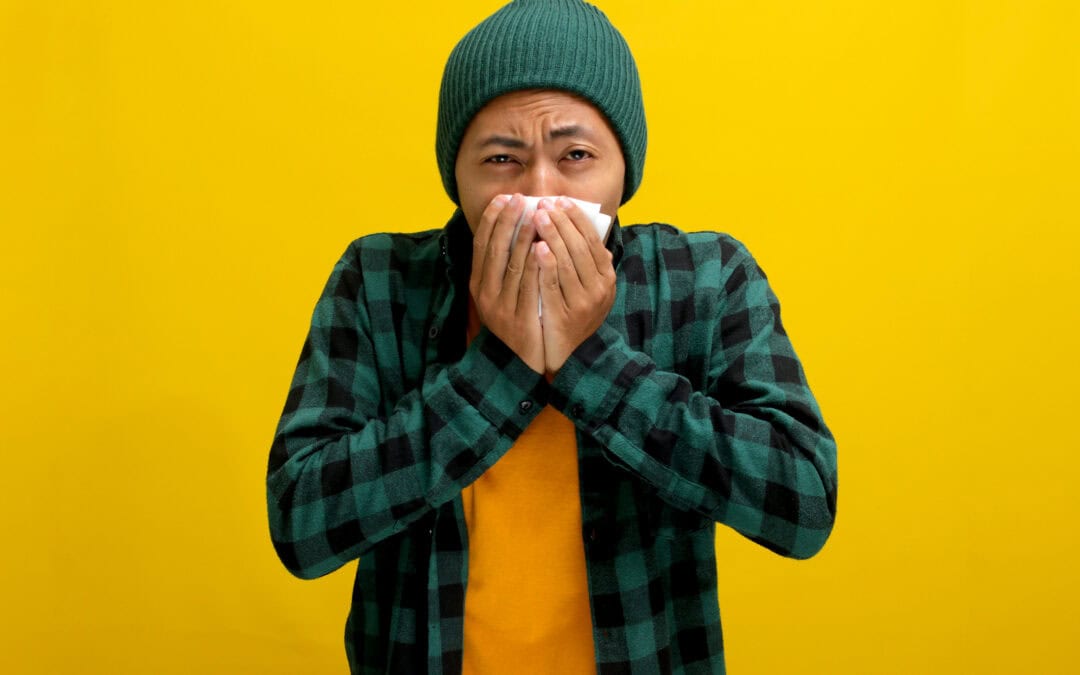
Spring in Cameron Park brings longer days, blooming trees, and higher pollen counts. It also brings something many of us expect this time of year: congestion, sneezing, and fatigue.
It is easy to assume these symptoms are “just seasonal.” But for older adults especially, spring symptoms should never be dismissed too quickly.
What feels like allergies could actually be a cold, the flu, COVID, strep throat, or another condition that needs medical attention. Knowing the difference between seasonal allergies vs. cold symptoms is one of the most important steps in protecting your spring health.
When It’s Likely Seasonal Allergies
Seasonal allergies are triggered by pollen from trees and grass. They are not contagious, and they tend to show up quickly when pollen levels rise.
Allergies often cause:
- Sneezing
- Runny or stuffy nose
- Itchy or watery eyes
- Post-nasal drip
- Mild fatigue
One key detail: allergies do not cause fever.
Symptoms may linger for weeks during pollen season, but they usually stay consistent rather than worsening significantly. If itching and sneezing are your primary complaints and you feel otherwise well, allergies may be the cause.
If over-the-counter allergy medications are no longer providing relief, or symptoms are interfering with sleep and daily activities, we can evaluate and treat seasonal allergies here in our Cameron Park urgent care clinic. Prescription-strength options and targeted treatment plans can often provide better control when standard remedies are not enough.
When It May Be a Cold Instead
A cold, unlike allergies, is caused by a virus. Symptoms usually develop more gradually.
You may notice:
- Sore throat
- Cough
- Congestion
- Mild body aches
- Fatigue
- Occasionally a low-grade fever
Colds typically improve within 7 to 10 days. If symptoms are intensifying rather than improving, it may be something more.
A Simple Rule: Fever Changes the Conversation
Many patients ask, “Can allergies cause fever?”
The answer is no.
If you have a fever, chills, or body aches, your symptoms are not coming from seasonal allergies. Fever signals infection. For older adults, that distinction matters.
Spring Illnesses That Can Look Like Allergies
Spring is not just pollen season, it is still respiratory virus season.
The flu often begins suddenly with fever, chills, body aches, and significant fatigue. COVID may include fever, cough, shortness of breath, sore throat, or loss of taste or smell. Strep throat typically causes severe throat pain, fever, and difficulty swallowing, but usually without cough.
At first glance, early symptoms can overlap with allergies. That’s why paying attention to how symptoms evolve is so important. If breathing becomes difficult, fatigue feels extreme, or fever develops, it’s time to seek medical evaluation.
Why Older Adults Should Be Especially Cautious
As we age, our immune systems respond differently. Symptoms may appear milder at first but progress more quickly.
What begins as mild congestion can develop into:
- Sinus infection
- Bronchitis
- Pneumonia
- Worsening asthma or COPD
Older adults are also at higher risk for complications from flu and COVID. Early evaluation allows us to treat illness promptly and help prevent more serious outcomes.
If symptoms last longer than 10 days, worsen over time, or simply feel “different than usual,” it’s worth getting checked.
Symptoms That Should Never Be Ignored
Some symptoms should not be attributed to allergies under any circumstances.
Shortness of breath, chest pressure, high fever, severe weakness, confusion, or a persistent cough lasting more than 10 days all require medical attention.
Allergies may be uncomfortable — but they do not cause chest pain, significant breathing difficulty, or high fever.
When symptoms fall outside the typical allergy pattern, it’s important to listen to your body.
Spring Health Questions We Commonly Hear:
- How can I tell if it’s allergies or a cold?
Allergies typically cause itching and sneezing without fever. Colds may include sore throat, body aches, and sometimes fever. - How long should spring symptoms last?
Allergies can persist throughout pollen season. Colds usually improve within 7 to 10 days. Symptoms that last longer or worsen should be evaluated. - When should I visit urgent care?
Seek care if you experience fever, shortness of breath, chest discomfort, severe sore throat, worsening cough, or symptoms that are not improving. - Can urgent care treat seasonal allergies?
Yes. If your allergy symptoms are persistent, worsening, or not responding to over-the-counter medications, our team can evaluate your symptoms and provide additional treatment options to help you feel better. - Are spring illnesses more serious for older adults?
Yes. Older adults face higher risk for complications such as pneumonia. Early assessment helps reduce that risk.
Protecting Your Spring Health in Cameron Park
Spring should be a season to enjoy, not one to push through discomfort and uncertainty.
If you’re unsure whether it’s cold or allergies, or if your symptoms don’t feel typical, our Cameron Park urgent care team is here to help. We provide same-day evaluation for seasonal allergies, colds, flu, strep throat, COVID, and other respiratory concerns.
When it comes to your health, especially as you age, clarity matters. Early care can bring relief, reassurance, and prevent small problems from becoming larger ones.
Walk in when you need us. We are here to support your health, every season.